Octol
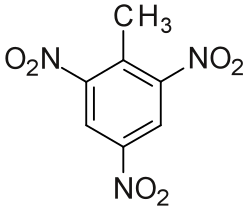
High-explosive mixture of HMX and TNT

Octol is a melt-castable, high explosive mixture consisting of HMX and TNT in different weight proportions.
01Composition
Two formulations are commonly used:
- 70% HMX & 30% TNT
- 75% HMX & 25% TNT
Given that HMX has a much higher detonation velocity than TNT (over 2,000 metres per second faster) and forms the main part of this explosive blend, the brisance characteristics of Octol can be inferred.
02Applications
The applications of Octol are generally military; e.g., shaped charges and warheads that are used in guided missiles and submunitions. Octol is somewhat more expensive than RDX-based explosives, such as Composition B and Cyclotol. The advantage of Octol is that it significantly reduces the size and weight of the explosive charge required. These are important considerations where smart weapons such as guided missiles are concerned. A light (but effective) warhead means a superior power to weight ratio. This in turn results in a higher velocity missile with a longer range and shorter flight time. As a result, the target has less opportunity to recognise and evade the attack.
03Alternative names
Octol is also referred to as Oktol, particularly in Eastern Europe.
04Nominal Properties
Reported properties:
- Density: 1.80 g/cm³
- Detonation Velocity: 8.55 mm/μsec
Sources and credits
This article is adapted from the Wikipedia article “Octol”, written by its contributors and licensed under CC BY-SA 4.0. Fathomly has changed the layout, removed citation markers, navigation and maintenance notices, and adjusted punctuation. This adapted version is shared under the same license. For references, see the original article.
Images, from Wikimedia Commons:
- HMX.png by Edgar181, Public domain
- Trinitrotoluene.svg by Unknown author, Public domain
Fathomly is not affiliated with or endorsed by the Wikimedia Foundation. Spotted a problem? Tell us.
